The Showplace of Delaware County

THE YEADON

A neighborhood movie house, a family business, a wartime civic outpost—and for generations, a place that felt a little like home.

Step inside
A neighborhood's screen

More than a place to see a movie.

Opened in 1937 at 541 Church Lane, the Yeadon Theatre was an 850-seat Streamline Moderne house attributed to celebrated theatre architect John Eberson. For most of its life it operated independently, eventually becoming the kind of second-run neighborhood theater where families could wait a few weeks, spend less, and still make a night of it.

The building disappeared in 2006. The memories did not.

1937Opened in Yeadon
850Seats
$1Maximum admission during the Friedman years
2006Demolished after a major fire
More of the story: the architect

The earlier Yeadon Theater website described the building as one of the Philadelphia area's last Art Moderne movie houses. Its architect, John Eberson, was a Ukrainian American whose career encompassed more than 500 theaters.

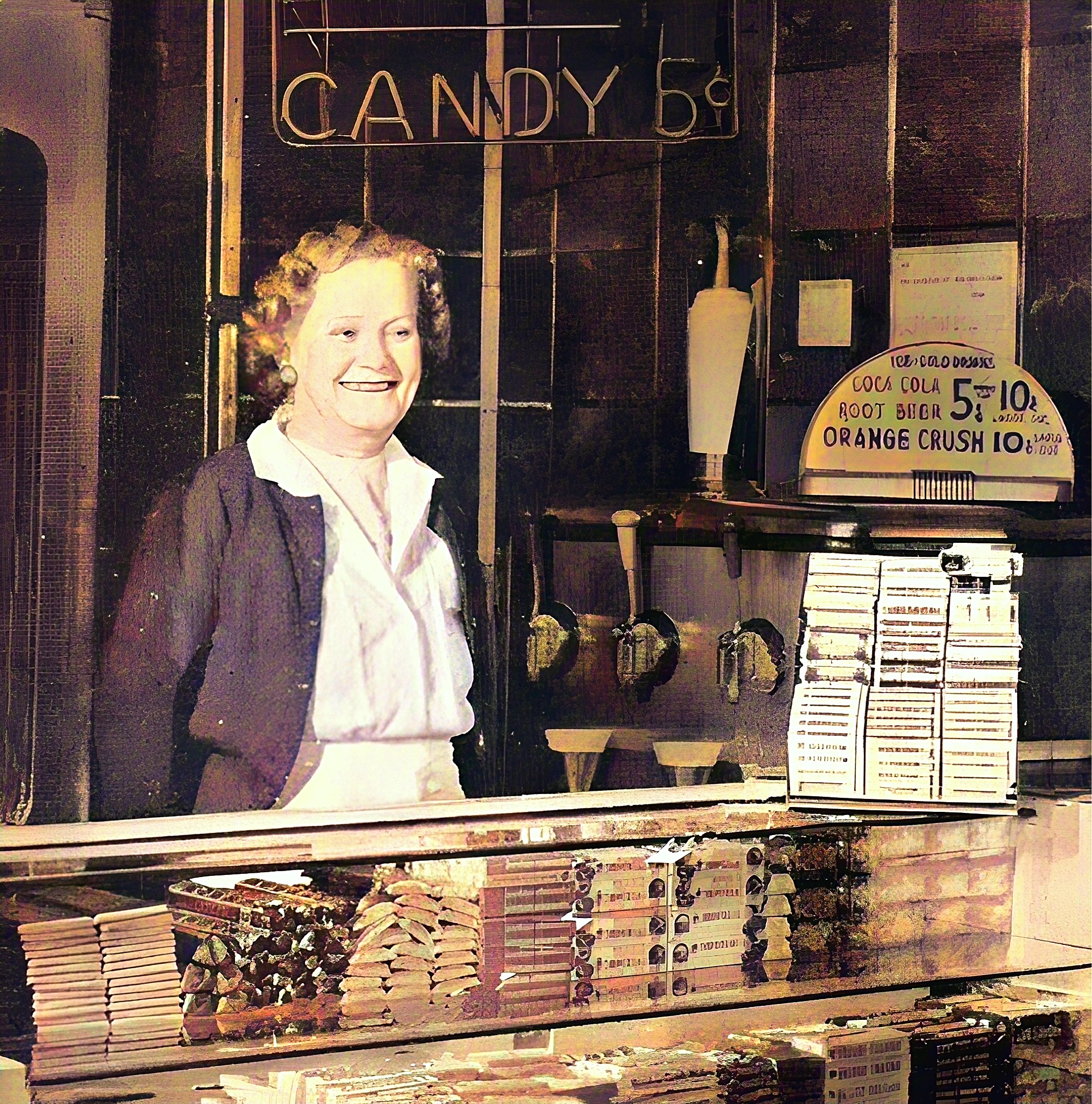
Rhea Friedman behind the Yeadon Theatre candy counter
Rhea Friedman at the candy counter.

The heart of the Yeadon

Rhea Friedman ran a theater like a living room.

Rhea Perelman Friedman operated the Yeadon from 1954 until 1984 after the sudden death of her husband, Percy. The theater had been built by her father, Louis, and it remained a family affair.

Published recollections describe a lobby with family photographs, coffee and cookies for adults, Popsicles for children, and little signs reminding patrons not to leave behind gloves, umbrellas or eyeglasses.

One detail survives in local memory better than any business slogan ever could: on cold days, Mrs. Friedman would zip up a child's jacket before sending them back outside.

“We'll wait until it comes to the Yeadon.”

A familiar neighborhood strategy for second-run movies
More of the story: a family behind the screen

The family's connection to movies began when Prohibition brought Louis Perelman's Chester tavern business to an end. He went on to own two Philadelphia movie houses as well as the Yeadon. Rhea grew up in Chester and West Philadelphia and helped in the business before marrying; her brothers later ran the Philadelphia theaters.

When she took charge of the Yeadon, Rhea was also raising three young daughters. As teenagers, they worked in the box office and cleaned up after matinees. Her daughter Janet Lazrow recalled that Rhea worked six or seven days a week—and, despite disliking driving, would take customers home when bad weather left them stranded.

Away from the theater, she enjoyed opera, traveled to Hawaii and on an African safari, and visited her out-of-state grandchildren. Rhea died in 2005 at age 98 at Arden Court in Warminster. She was survived by her daughters Janet Lazrow, Lynn Weinstein and Eileen Branda, eight grandchildren and ten great-grandchildren.

Adapted from Sally A. Downey's October 31, 2005, Philadelphia Inquirer obituary, as preserved on the earlier theater website. See Sources & credits.
The home front

A marquee with a wartime job.

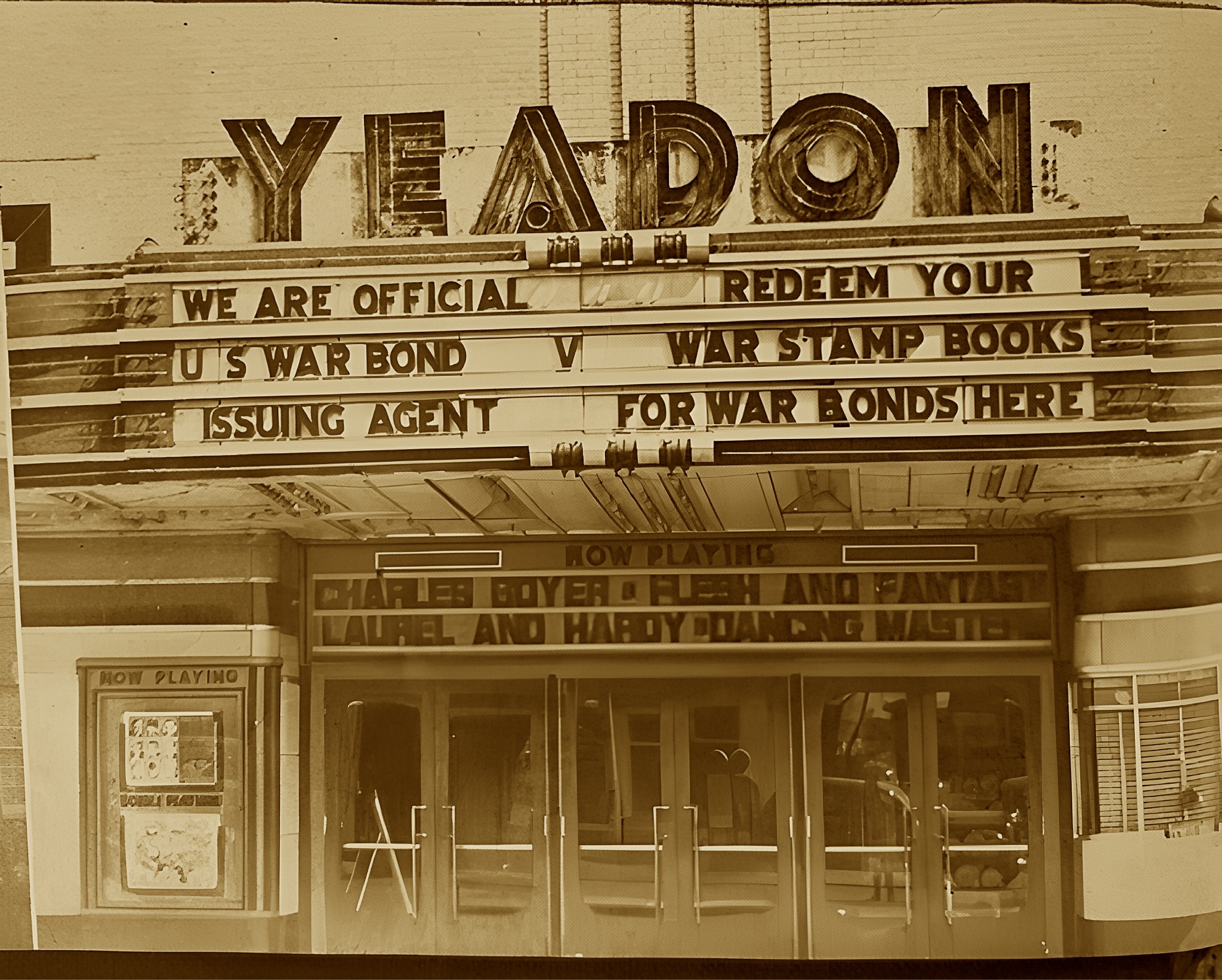
During World War II, the Yeadon became an official U.S. War Bond issuing location. The surviving photograph says it plainly across the marquee: “We are official U.S. War Bond issuing agent.”

For a small suburban theater, that was a practical way to serve the national effort: it was central, familiar, public, and already woven into community life.

More of the story: how the bonds helped

Buying a War Bond meant lending money to the government to support the war effort, with repayment and interest later. The earlier theater history records that the Yeadon handled both purchases and redemptions.

A bond agency needed more than a recognizable address: it needed a place that could be secured and could welcome people walking in from the street. The theater met those practical needs, joining other issuing locations around the country in helping households contribute.

The Yeadon Theatre marquee during World War II advertising U.S. War Bonds
The Yeadon marquee during the World War II bond drive era.

What people remember

The little things were the big things.

01

The price

Admission stayed famously low. During Rhea Friedman's three decades running the house, published accounts say it never rose above one dollar.

02

The ritual

Cartoons first. Then the feature. A candy case in the lobby and popcorn in the air. The movie mattered, but so did the familiar routine.

03

The welcome

Children, parents and seniors remember the theater less as an anonymous business than as a neighborhood room with someone looking after it.

More of the story: an afternoon at the Yeadon

Local recollections add five-cent sodas and the ticket booth out front to the familiar scene. Children and senior citizens received admission discounts, and the program stayed family-minded: the Yeadon did not show R-rated films.

The earlier website remembered Jaws as an example of a movie families could wait to see at the Yeadon after its first run at more expensive theaters nearby.

A survivor

One small piece of paper. One whole evening out.

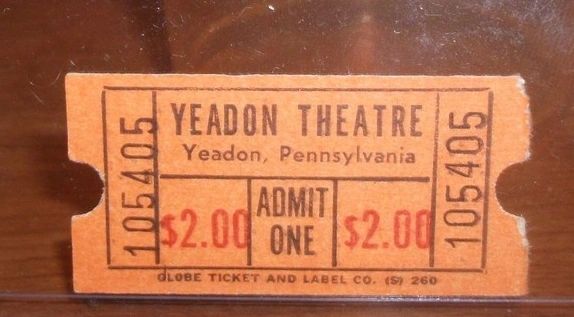
An original Yeadon Theatre admission ticket is a compact reminder that neighborhood moviegoing was once wonderfully ordinary—close to home, inexpensive, and repeated often enough to become part of childhood.

Historic orange Yeadon Theatre admission ticket

From opening night to empty lot

A life in eight moments

  1. The Yeadon opens

    The Streamline Moderne movie house opens at 541 Church Lane.

  2. The theater joins the home front

    The Yeadon serves as a U.S. War Bond issuing location during World War II.

  3. Rhea takes over

    After Percy Friedman's death, Rhea Friedman assumes operation of the family theater.

  4. End of the Friedman era

    Rhea sells the theater after roughly thirty years at its helm.

  5. Final show

    The Yeadon closes after decades as a neighborhood movie house.

  6. A fight to save it

    The borough acquires the building. Demolition begins in 2003 but is halted amid preservation efforts; plans explore reuse as a performing-arts venue.

  7. Fire

    A serious fire heavily damages the front of the building and destroys significant interior fabric.

  8. Demolition

    The borough votes to raze the theater. The building disappears, leaving a vacant site and a very full collection of memories.

After the last picture

Buildings vanish.
Places can survive.

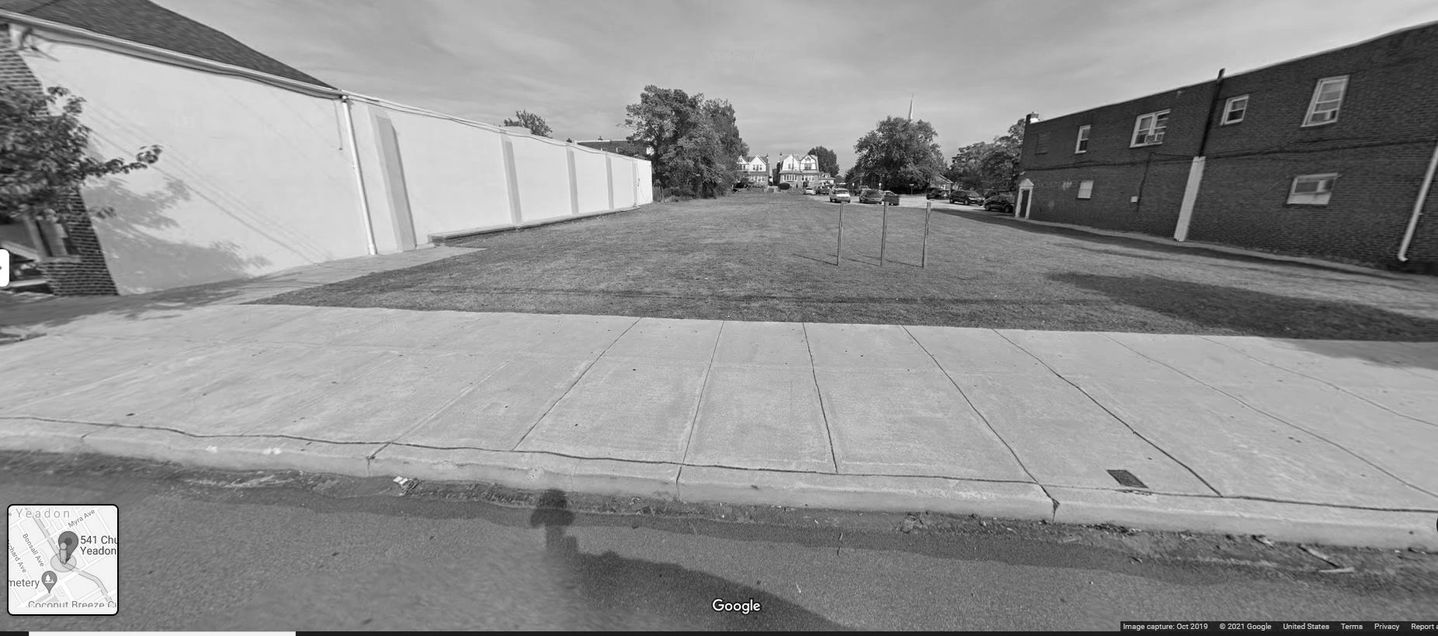
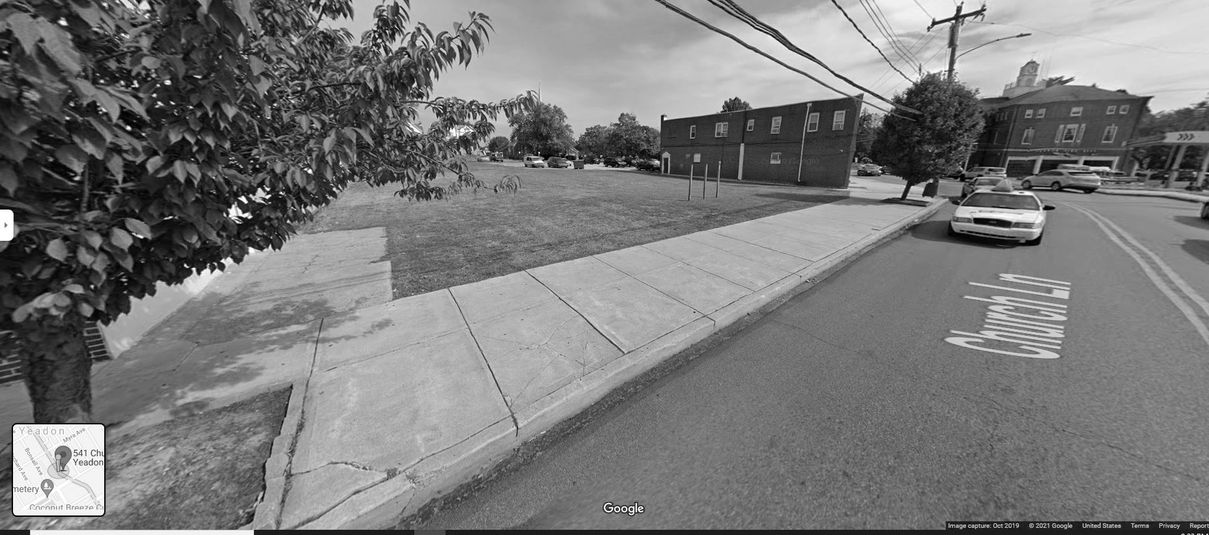
The photographs of the cleared site are deliberately quiet. They show what preservation sites sometimes forget to show: not only what was there, but what absence looks like afterward.

Vacant former Yeadon Theatre site
Former Yeadon Theatre location after demolition

Sources & credits

Built from the surviving record.

This digital memorial combines material preserved in the earlier Yeadon Theater website with published theater-history records and contemporary preservation coverage.

Historical sources

Photography

Historic photographs are preserved from the prior Yeadon Theater site. Several later exterior images visibly carry a RobBender.com watermark and remain credited to that source.